

When it comes to establishing a reliable outdoor network connection, choosing the right outdoor wifi bridge is crucial. As a supplier of Outdoor Wifi Bridges, I understand the importance of making an informed decision. In this blog post, I'll share some key factors to consider when selecting an outdoor wifi bridge that suits your specific needs.
Understanding Your Requirements
Before diving into the selection process, it's essential to have a clear understanding of your requirements. Consider the following aspects:
Distance
The distance between the two points you want to connect is a primary factor. If you need to cover a long distance, you'll require a Long Range Wireless Bridge. These bridges are designed to provide stable connections over extended ranges, often up to several kilometers. For shorter distances, a standard network wireless bridge may suffice.
Bandwidth
Bandwidth refers to the amount of data that can be transferred over the network at a given time. If you plan to use the network for high - bandwidth activities such as video streaming, large file transfers, or multiple device connections, you'll need a wifi bridge with higher bandwidth capabilities. Look for bridges that support the latest Wi - Fi standards, such as 802.11ac or 802.11ax, which offer faster data transfer rates.
Environment
The outdoor environment where the wifi bridge will be installed can significantly impact its performance. If the area has a lot of interference from other wireless devices, such as in a densely populated urban area, you may need a bridge with better interference - handling capabilities. Additionally, if the bridge will be exposed to harsh weather conditions, such as rain, snow, or extreme temperatures, it should be weather - resistant and durable.
Number of Devices
Consider the number of devices that will be connected to the wifi bridge. If you have a large number of devices, such as in a business or a multi - family dwelling, you'll need a bridge that can support multiple concurrent connections without experiencing significant performance degradation.
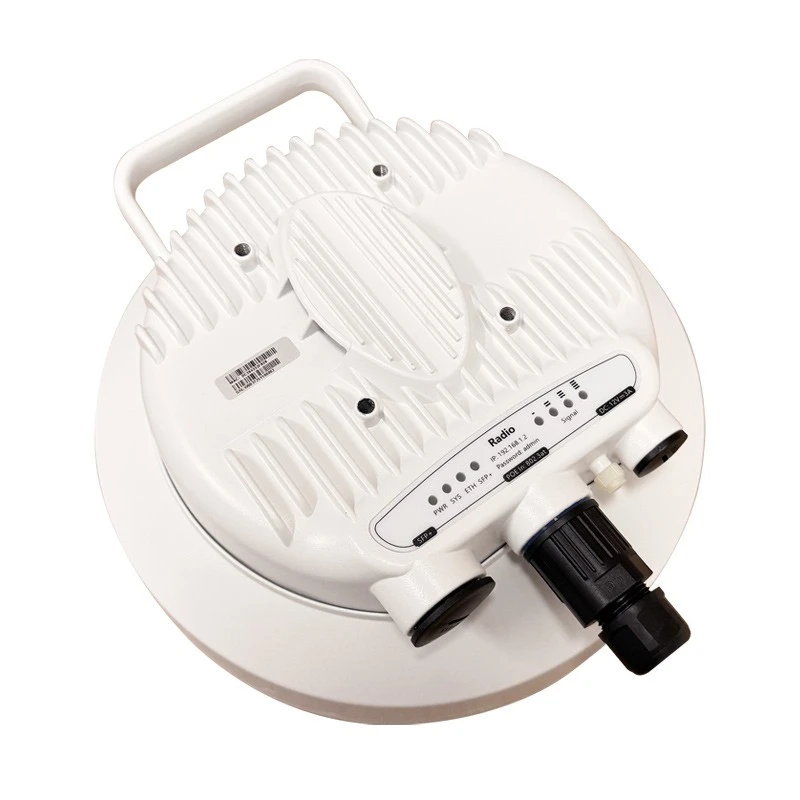

Key Features to Look For
Once you have a clear understanding of your requirements, here are some key features to look for in an outdoor wifi bridge:
Antenna Type and Gain
The antenna is a critical component of an outdoor wifi bridge as it determines the range and signal strength. High - gain antennas can provide a stronger signal over a longer distance. Directional antennas are ideal for point - to - point connections, where you need to focus the signal between two specific locations. Omnidirectional antennas, on the other hand, are suitable for providing a more widespread signal in all directions.
Power over Ethernet (PoE)
PoE allows the wifi bridge to receive power and data over a single Ethernet cable. This feature simplifies the installation process, especially in outdoor locations where it may be difficult to run separate power cables. Make sure the wifi bridge you choose supports PoE, preferably with a standard such as 802.3af or 802.3at, which provide sufficient power for the bridge to operate effectively.
Security Features
Security is of utmost importance, especially when dealing with outdoor networks. Look for a wifi bridge that offers robust security features, such as WPA2 or WPA3 encryption, which protect your network from unauthorized access. Additionally, some bridges may offer features like access control lists (ACLs) and intrusion detection to further enhance security.
Management and Configuration
Ease of management and configuration is another important factor. A good wifi bridge should have a user - friendly interface that allows you to easily set up and configure the device. Some bridges may also offer remote management capabilities, which allow you to monitor and manage the bridge from a central location.
Different Types of Outdoor Wifi Bridges
There are several types of outdoor wifi bridges available in the market, each with its own advantages and use cases:
Point - to - Point Bridges
Point - to - point bridges are designed to connect two specific locations, such as two buildings or two access points. They are ideal for creating a dedicated network link between two points and are often used in business applications, such as connecting a main office to a remote branch. Long Range Wifi Bridge is a great option for point - to - point connections over long distances.
Point - to - Multipoint Bridges
Point - to - multipoint bridges allow one central bridge to connect to multiple remote bridges. This type of bridge is suitable for applications where you need to connect multiple locations to a single central point, such as in a campus or a residential area.
Mesh Bridges
Mesh bridges create a self - healing network where multiple bridges are connected to each other to form a mesh. This type of network is highly reliable as it can automatically reroute traffic if one of the bridges fails. Mesh bridges are often used in large - scale outdoor networks, such as in a city - wide wireless network.
Comparing Different Brands and Models
When comparing different brands and models of outdoor wifi bridges, it's important to do your research. Read customer reviews and ratings to get an idea of the performance and reliability of the product. Look for brands that have a good reputation in the industry and offer excellent customer support.
Additionally, consider the price of the wifi bridge. While it's important to stay within your budget, don't compromise on quality. A high - quality wifi bridge may cost more upfront but can save you money in the long run by providing a more reliable and stable network connection.
Installation and Setup
Proper installation and setup are crucial for the optimal performance of an outdoor wifi bridge. Here are some tips:
Mounting
Mount the wifi bridge in a location where it has a clear line of sight to the other end of the connection. Avoid mounting it near large metal objects or other sources of interference. Make sure the mounting is secure and can withstand the outdoor elements.
Configuration
Follow the manufacturer's instructions carefully when configuring the wifi bridge. Set up the appropriate security settings, such as encryption and access control. Test the connection to ensure that it is working properly before finalizing the installation.
Why Choose Our Outdoor Wifi Bridges
As a supplier of Outdoor Wifi Bridges, we offer a wide range of products that are designed to meet the diverse needs of our customers. Our bridges are built with high - quality components and offer excellent performance, reliability, and security.
We have a team of experts who can provide you with professional advice and support to help you choose the right wifi bridge for your needs. Whether you are a small business owner looking to connect two offices or a large enterprise in need of a city - wide wireless network, we have the solution for you.
If you are interested in learning more about our outdoor wifi bridges or would like to discuss your specific requirements, please feel free to contact us. We look forward to working with you to provide you with the best outdoor network solution.
Conclusion
Choosing the right outdoor wifi bridge is a critical decision that can have a significant impact on the performance and reliability of your outdoor network. By understanding your requirements, looking for key features, comparing different brands and models, and ensuring proper installation and setup, you can select a wifi bridge that meets your needs and provides a stable and secure network connection.
If you have any questions or need further assistance in choosing the right outdoor wifi bridge, don't hesitate to reach out to us. We are here to help you make the best decision for your outdoor network.
References
- Wi - Fi Alliance. (n.d.). Wi - Fi Standards. Retrieved from [Wi - Fi Alliance Website]
- Cisco Systems. (n.d.). Wireless Bridge Technology. Retrieved from [Cisco Website]
- Ubiquiti Networks. (n.d.). Outdoor Wireless Solutions. Retrieved from [Ubiquiti Website]