

Overcoming Signal Attenuation in Long Range Wireless Coverage
In today's wave of global digitalization, wireless signals have become as essential to modern life as air, and the demand for long-range wireless coverage is increasingly evident. From efficient operations in smart campuses and reliable communications in remote mountainous areas to citywide connectivity in smart cities, all depend on stable, reliable long-range wireless transmission. Yet signal attenuation remains a persistent technical bottleneck and a key factor limiting the effectiveness of long-range wireless coverage. Overcoming this barrier and achieving high-quality signal transmission has therefore become an urgent challenge for the industry.
1. Causes of Signal Attenuation
1 Free Space Path Loss
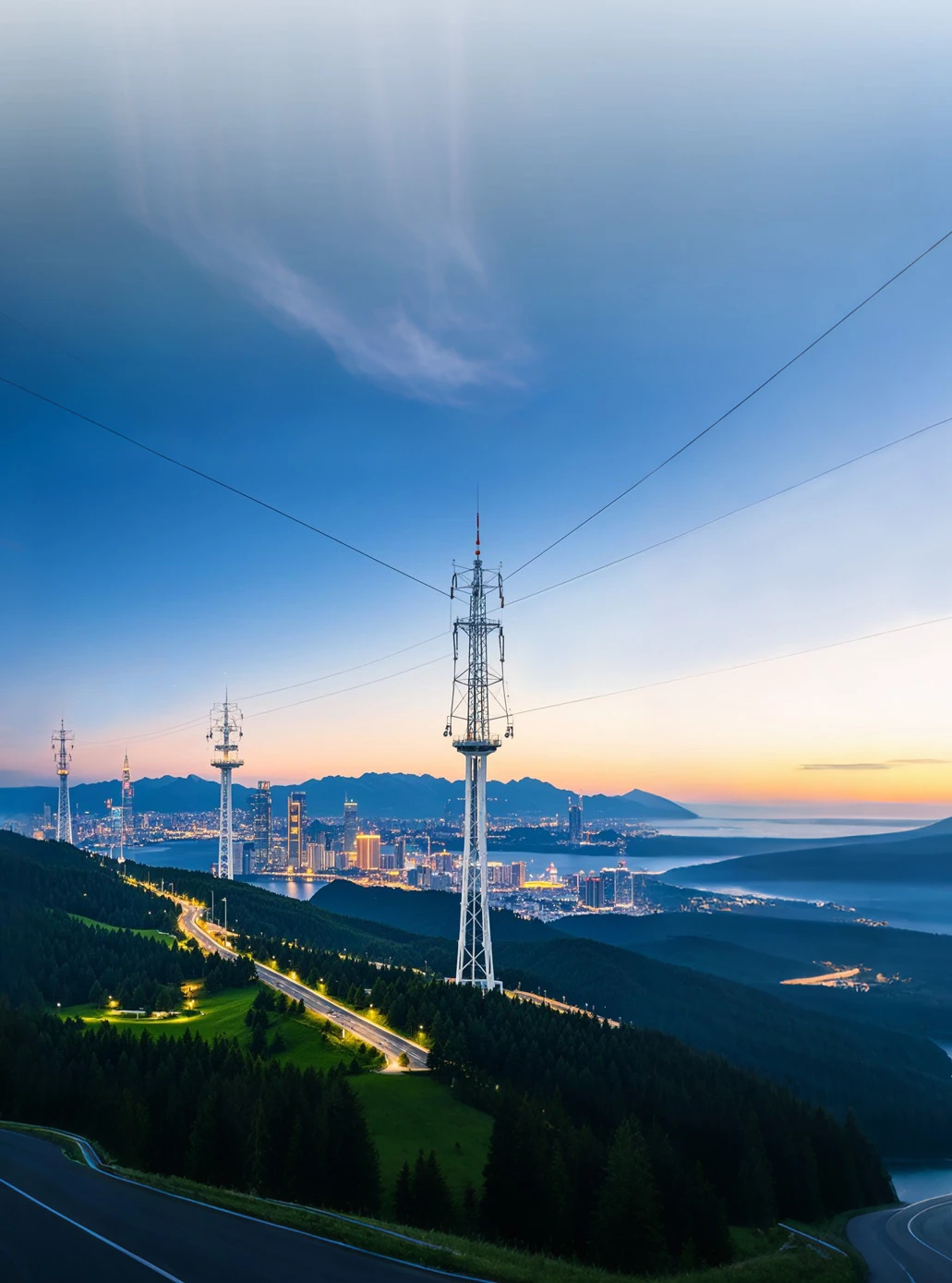
Wireless signals naturally weaken as they travel through space and the distance increases. This is similar to sound traveling across an open area: the farther it travels, the quieter it becomes. According to the relevant theory, signal strength is inversely proportional to the square of the transmission distance. Imagine a wireless base station transmitting a signal. Near the station, the signal is strong; as the distance continues to grow, however, the signal weakens like a deflating balloon.
2 Obstruction Loss
Buildings, trees, and other obstacles can greatly affect wireless signals. The degree of attenuation varies by material. Metal strongly reflects and absorbs signals, causing substantial attenuation, while glass and wood also obstruct signals but to a lesser extent. For example, when a wireless signal encounters a high-rise building, part of it is reflected and part is absorbed. Only a very weak portion may penetrate the structure and continue propagating.

3 Electromagnetic Interference
Nearby electromagnetic sources can interfere with wireless communications. Microwave ovens and Bluetooth devices, for example, emit signals that overlap with wireless transmissions and reduce quality. Just as speech is hard to hear in a noisy room, wireless signals cannot travel freely in an interference-heavy environment.
2. Optimization Strategies
1 Strategic Base Station Placement
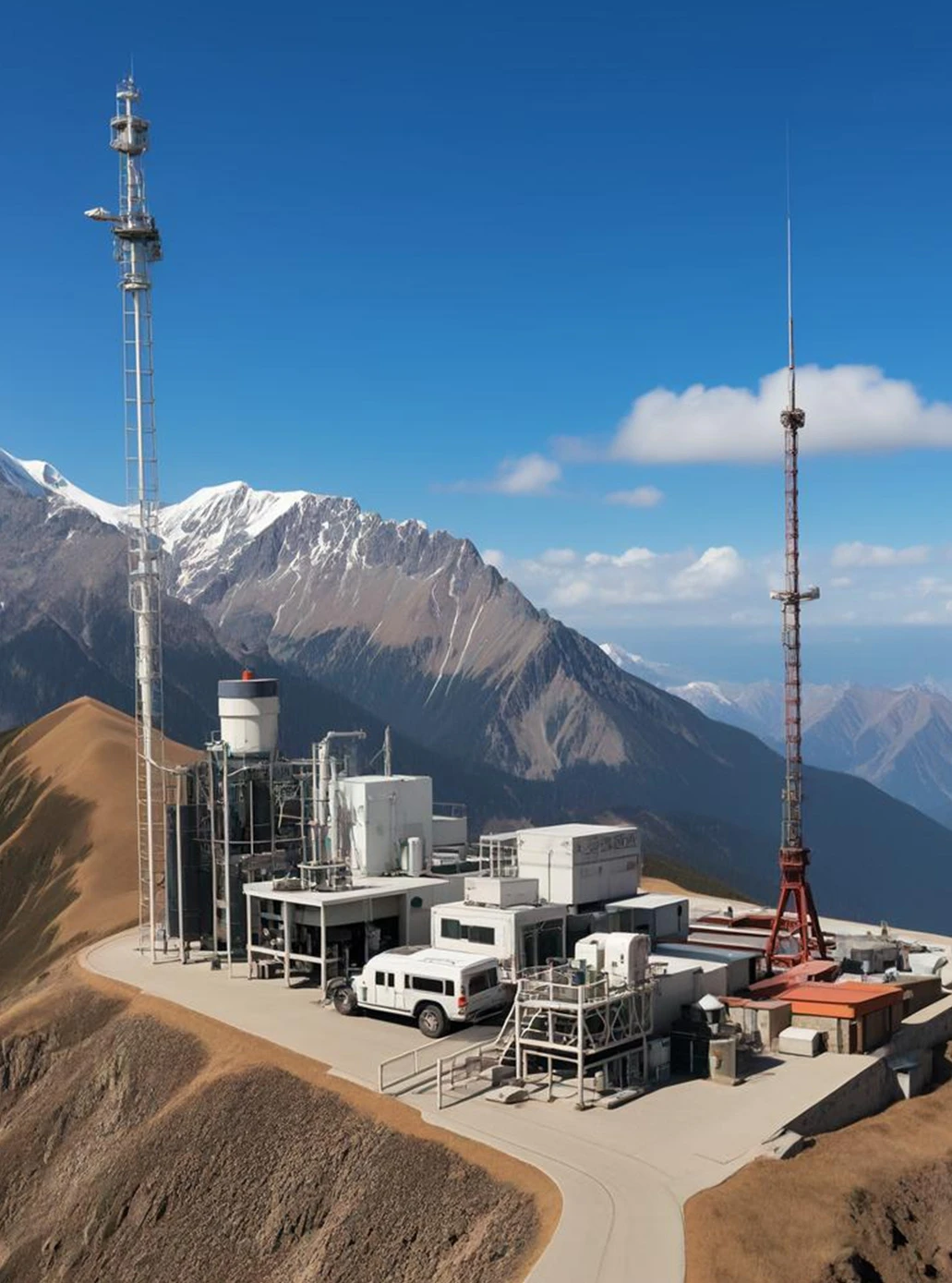
Terrain and the distribution of buildings should be considered carefully. Locating base stations on high ground with clear lines of sight reduces obstruction and allows signals to travel farther. In mountainous areas, for example, placing a base station on a mountaintop can expand its coverage area.
2 Use High Gain Antennas
High-gain antennas strengthen both signal transmission and reception. Different antenna types suit different scenarios. Directional antennas are appropriate when a signal must be concentrated in a specific direction, whereas omnidirectional antennas are better for providing even coverage in all directions. Selecting and installing the right high-gain antenna can effectively improve signal strength.
3 Frequency Optimization
Wireless frequencies should be allocated carefully. Different frequencies are affected differently during propagation, so selecting an appropriate band can reduce interference and improve transmission quality. Intelligent frequency planning can also prevent interference between signals in neighboring areas.
4 Signal Amplification Technologies
Signal boosters, repeaters, and similar devices can be used. They receive and amplify weak wireless signals before retransmitting them, thereby extending coverage. Installing signal amplification equipment inside large buildings or in areas with weak reception can significantly improve coverage.
Conclusion
Signal attenuation in long-range wireless coverage is a complex problem. By understanding its causes and applying effective optimization strategies, however, we can continually improve wireless coverage quality and enjoy stable, high-speed wireless networks across wider areas.