

1. Introduction
Advancing digital oilfield construction and management is a critical means for oilfield enterprises to transform production management from traditional to modern and refined approaches, thereby improving management efficiency. To date, digital oilfield initiatives both domestically and internationally have achieved remarkable results, completing the transition from theory to practice and from technology to operational models, forming a relatively comprehensive system.
BodaCOM, as a professional industrial-grade wireless communication solution provider, addresses the practical challenges of widely dispersed well sites, harsh natural environments, and difficult fiber deployment. The company has introduced a digital oilfield communication solution based on industrial-grade wireless bridges, delivering flexible networking, rapid deployment, and stable, reliable wireless links that enable oilfield enterprises to achieve truly digitalized remote management.
2. Project Overview
This project addresses the digital communication requirements of oilfield operating areas, establishing a wireless data transmission network covering dispersed well sites, booster stations, central processing facilities, metering stations, and team management centers. The network provides unified carriage and centralized management of well-site production data, video surveillance, and remote control services.
Key services carried by the network include:
• Real-time backhaul of oil/water well production data (dynamometer cards, pressure, temperature, etc.)
• Pumping unit motor parameter monitoring and remote start/stop control
• HD video surveillance with intelligent intrusion detection and alarm
• Remote water injection well adjustment and water source well remote start/stop
• Remote voice warning and electronic well patrol
• Production data upload to the oilfield intranet for remote dispatch and intelligent diagnostics
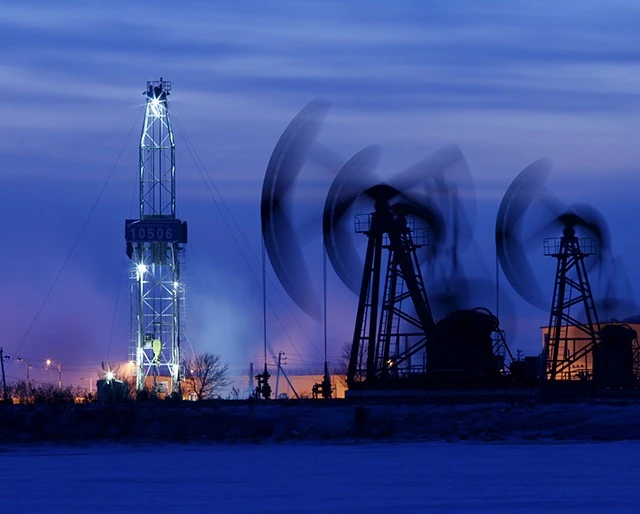
Digital Well Site Facilities
3. Project Challenges
3.1 Highly Dispersed Well Sites in Harsh Environments
Oilfield well sites are numerous and widely dispersed, mostly located in remote wilderness areas with extremely harsh natural environments-scorching heat in summer, freezing cold in winter, and year-round wind and sand erosion. These conditions impose stringent requirements on equipment ingress protection ratings and wide-temperature operational capability.
3.2 High Cost and Long Timeline of Fiber Deployment
With well sites located in remote areas, deploying fiber optic cables is not only costly and time-consuming but also extremely difficult to maintain. Accidental interruptions from cable theft and construction damage occur frequently, severely impacting the continuity and reliability of production data. Traditional wired communication can no longer keep pace with the rapid advancement of oilfield digitalization.
3.3 Concurrent Transmission of Diverse Data Types
Digital well sites must simultaneously transmit video surveillance, dynamometer card data, pressure/temperature parameters, remote control commands, and other data types. Each service imposes different requirements for bandwidth, latency, and reliability: video surveillance demands high bandwidth, remote control requires low latency and high reliability, and production data collection needs uninterrupted continuity.
3.4 Unstable Power Supply Conditions
Field well sites have limited power supply options, with some relying entirely on solar power or small generators, leading to significant voltage fluctuations. Communication equipment must feature wide-voltage input capability and low-power design to accommodate these unstable power conditions.
4. Solution
4.1 Network Architecture Design
BodaCOM industrial-grade wireless bridges are deployed to construct a hierarchical wireless transmission network. Central processing facilities or team management centers serve as aggregation nodes, covering surrounding dispersed well sites via Point-to-MultiPoint (PtMP) links. Point-to-Point (PtP) backbone links then connect the aggregation nodes into the oilfield intranet, forming a three-tier "Well Site – Aggregation Node – Oilfield Network" architecture.
• Well Site Access Layer: Each well site is equipped with a BodaCOM industrial-grade wireless bridge client to collect video surveillance and production data for uplink transmission over the wireless link.
• Aggregation Transport Layer: Intermediate nodes such as booster stations and metering stations deploy wireless bridges for data aggregation and forwarding, extending coverage range.
• Backbone Access Layer: Central processing facilities or team management centers connect to the oilfield LAN via high-bandwidth Point-to-Point links.
4.2 Core Equipment Features
BodaCOM industrial-grade outdoor wireless bridge equipment is selected, featuring:
• IP68 industrial-grade ingress protection: fully sealed waterproof and dustproof design, engineered for harsh outdoor environments.
• 802.11ac compliance with wireless bandwidth up to 866 Mbps, fully meeting the demands of HD video and concurrent multi-service transmission.
• Wide temperature and voltage range design, accommodating extreme outdoor temperature variations and unstable power supply conditions.
• Stable links with flexible networking, supporting Point-to-Point and Point-to-MultiPoint modes to suit irregular oilfield well-site distribution.
• VLAN segmentation and QoS priority scheduling to ensure real-time performance for remote control commands and voice communication.
4.3 Network Security Design
The network employs WPA2/AES encryption to ensure data transmission security and supports MAC address filtering and device whitelisting. Critical aggregation links support redundant backup, ensuring that single-node failures do not disrupt overall network operation. Equipment supports centralized remote network management, allowing full-network device status monitoring and maintenance from the management center.
5. Project Advantages
5.1 Rapid Deployment and Flexible Networking
The all-wireless solution eliminates the need for fiber optic cable laying, substantially shortening construction timelines and enabling rapid communication coverage for well sites. The flexible network topology supports hybrid Point-to-Point and Point-to-MultiPoint networking, adapting to the irregular and dispersed distribution of oilfield well sites. New well site nodes can be quickly brought online by simply installing the corresponding endpoint equipment, fully accommodating the phased development needs of oilfield expansion.
5.2 Industrial-Grade Reliability
The entire equipment series features IP68-rated industrial-grade design-the highest level of ingress protection-delivering outstanding waterproof, dustproof, and corrosion-resistant performance. The equipment operates reliably over the long term in harsh outdoor environments of extreme heat, severe cold, and wind-blown sand. The wide-temperature and wide-voltage design ensures undiminished performance under extreme conditions, significantly reducing the frequency of field maintenance visits.
5.3 High-Bandwidth Multi-Service Carriage
With 802.11ac compliance and single-link bandwidth up to 866 Mbps, the solution simultaneously carries multiple HD video surveillance streams, dynamometer card data collection, pressure/temperature parameter polling, remote control command delivery, and other services. The comprehensive QoS mechanism ensures priority transmission for critical services, guaranteeing the real-time performance and reliability of control operations such as remote well start/stop.
5.4 Construction and O&M Cost Advantages
Compared with fiber optic communication, the wireless solution significantly reduces construction costs and eliminates the risk of accidental interruptions from cable theft or construction damage. The equipment operates with high stability and reliability, with low failure rates and support for remote centralized management, dramatically reducing the frequency of field inspection visits and lowering both maintenance costs and safety risks.
6. Case Studies
6.1 Xinjiang Oilfield Wireless Transmission Project
Background: An operating area of the Xinjiang Oilfield features widely distributed well sites located far from urban centers with weak communication infrastructure and harsh natural environments. Traditional communication methods could not meet the real-time and stability requirements of digital well-site data transmission.
Implementation: BodaCOM industrial-grade wireless bridge products were deployed, with the central processing facility serving as the hub connected to surrounding dispersed well sites via Point-to-MultiPoint links, establishing a wireless data transmission network covering the entire operating area.
Results: Real-time backhaul of well-site video surveillance, dynamometer cards, pressure, and temperature data was successfully achieved. The remote well start/stop function operates stably and reliably, earning strong recognition from the client and providing a solid communication foundation for the digital management of the operating area.
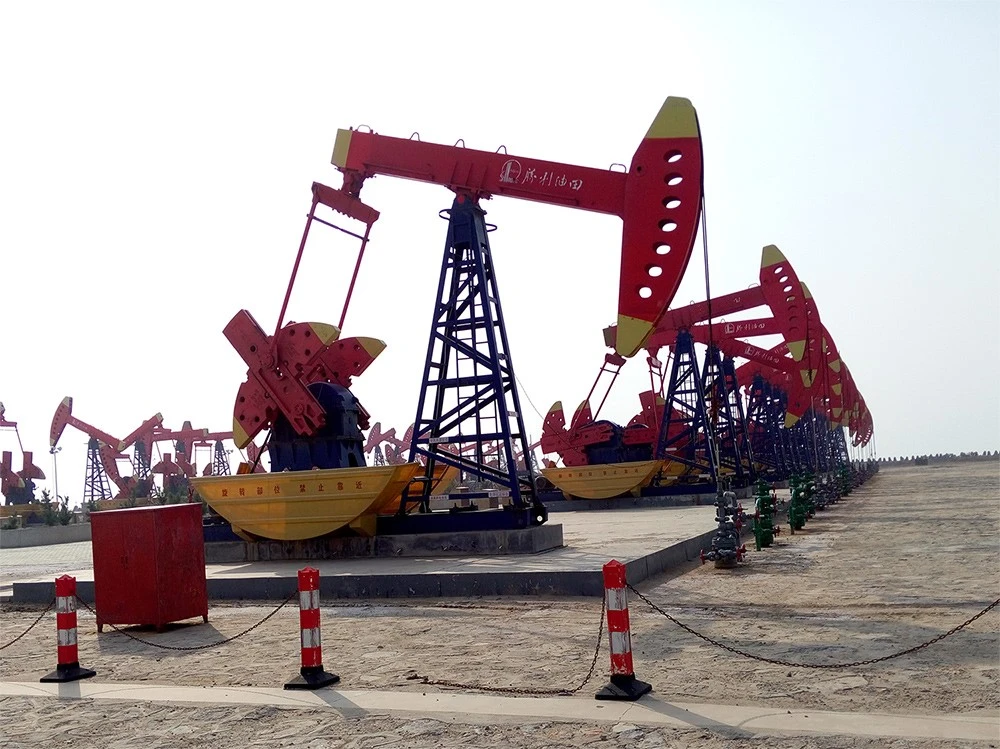
Xinjiang Oilfield Wireless Transmission Project
6.2 Oilfield Wireless Surveillance Project
Background: An oilfield had urgent surveillance requirements, but the well sites were dispersed and remote, making fiber deployment difficult and costly. A wireless solution was urgently needed for centralized backhaul of video surveillance and production data.
Implementation: BodaCOM industrial-grade wireless bridges were comprehensively deployed for networking, achieving communication coverage for all well sites through rapid deployment and flexible networking.
Results: Upon network completion, video surveillance streams are clear and smooth, production data backhaul is real-time and stable, and the system operates reliably-effectively enhancing the safety management level and production dispatch efficiency of the oilfield.
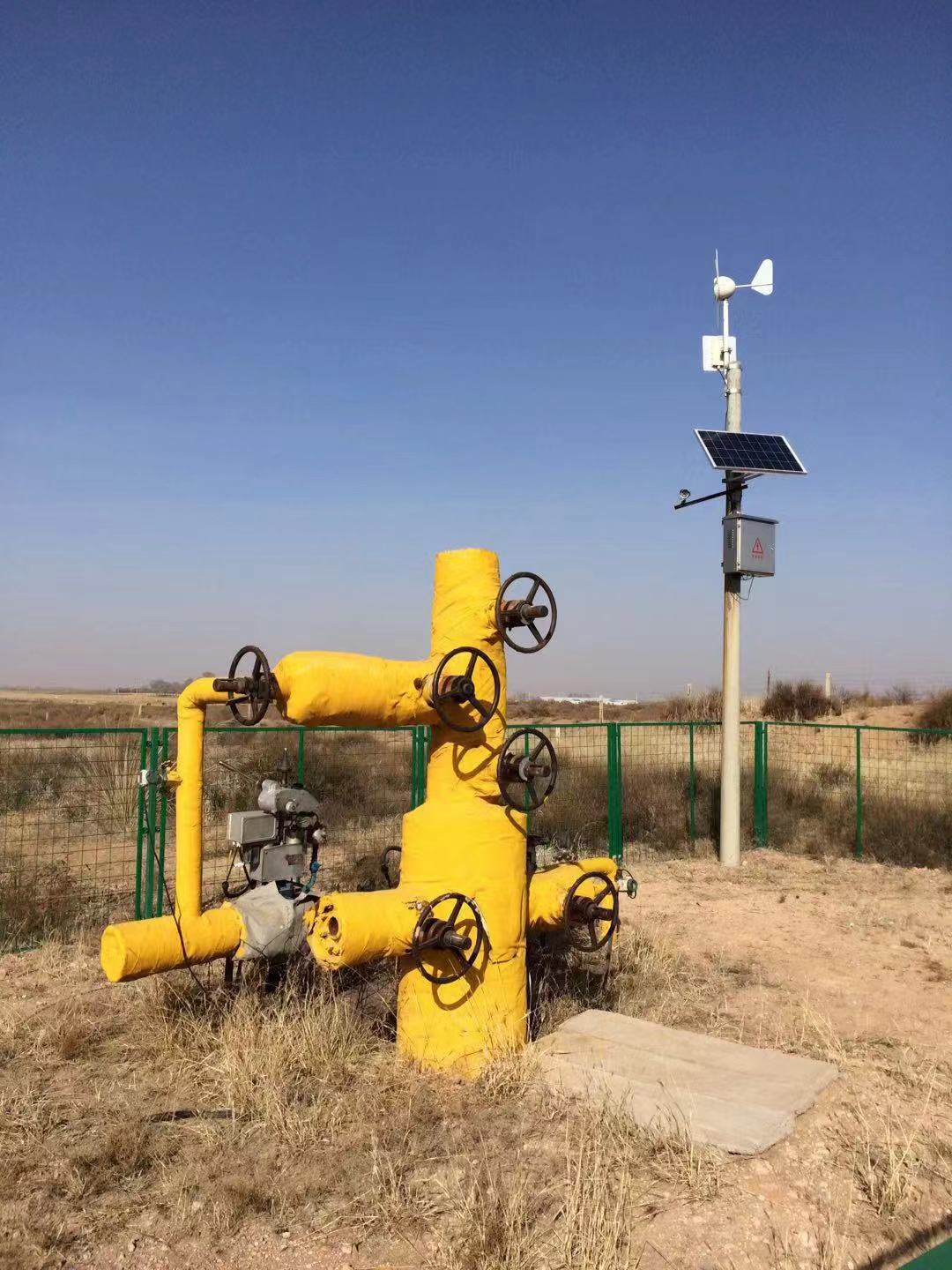
Oilfield Wireless Surveillance Project