

In the realm of modern networking, outdoor wireless bridges have emerged as a crucial solution for establishing seamless and reliable connections across various distances and terrains. As an established outdoor wireless bridge supplier, I've witnessed firsthand the growing demand for these devices in a multitude of applications, from connecting remote buildings and industrial sites to enabling high-speed wireless backhaul for telecommunications networks. One of the most frequently asked questions by potential customers is about the price range of outdoor wireless bridges. In this blog, I'll delve into the factors influencing their prices and provide a comprehensive overview of what you can expect to pay.
Factors Affecting the Price of Outdoor Wireless Bridges
1. Transmission Range and Power
The transmission range of an outdoor wireless bridge is a significant determinant of its price. Bridges designed to cover longer distances typically require more powerful transmitters and sensitive receivers, which in turn increases the cost of the hardware. For instance, a wireless bridge with a range of up to 1 mile may be more affordable, while a high - end model capable of spanning 20 miles or more can be considerably more expensive. This is because the components needed to achieve long - range transmission, such as high - gain antennas and advanced signal processing chips, are costly to manufacture.
2. Bandwidth and Speed
Another critical factor is the bandwidth and speed of the bridge. In today's data - driven world, users require high - speed connections to support applications like video surveillance, cloud computing, and real - time data transfer. Wireless bridges offering higher bandwidth, such as 1 Gbps or more, usually come at a premium price compared to those with lower speeds, like 100 Mbps. The technology and components required to support high - speed data transmission, including advanced wireless chipsets and efficient data encoding algorithms, contribute to the increase in cost.
3. Antenna Technology
The type and quality of antennas used in an outdoor wireless bridge play a vital role in its performance and price. Directional antennas, which focus the wireless signal in a specific direction, are often used for long - range point - to - point connections. These antennas are more expensive than omnidirectional antennas, which radiate the signal in all directions. Additionally, high - gain antennas can provide better signal strength and coverage, but they also add to the overall cost of the bridge.
4. Environmental Resistance
Outdoor wireless bridges are exposed to harsh weather conditions, including rain, snow, extreme temperatures, and strong winds. As such, they need to be built with robust enclosures and components that can withstand these elements. Bridges with higher levels of environmental protection, such as those rated for IP67 or higher, are generally more expensive. These enclosures are designed to prevent water and dust ingress, ensuring the long - term reliability of the device.
5. Brand and Quality
The brand reputation and quality of the outdoor wireless bridge also impact its price. Well - known brands that have a proven track record of reliability and performance often charge a premium for their products. These brands invest heavily in research and development, quality control, and customer support, which is reflected in the price. On the other hand, lesser - known brands may offer more affordable options, but the quality and reliability may not be as consistent.
Price Range Overview
The price of outdoor wireless bridges can vary significantly depending on the factors mentioned above. Generally, you can expect to find a wide range of prices in the market, from relatively affordable entry - level models to high - end, enterprise - grade solutions.
Entry - Level Outdoor Wireless Bridges
Entry - level outdoor wireless bridges are typically designed for small - scale applications with shorter ranges and lower bandwidth requirements. These bridges may offer a range of up to a few hundred meters and a bandwidth of around 100 Mbps. They often come with basic features and standard antennas. The price of entry - level outdoor wireless bridges can range from $100 to $500. These models are suitable for home users, small businesses, or hobbyists who need a simple and cost - effective solution for wireless connectivity. For more information on basic outdoor wireless bridge configurations, you can visit Outdoor Point To Point Wireless Bridge.
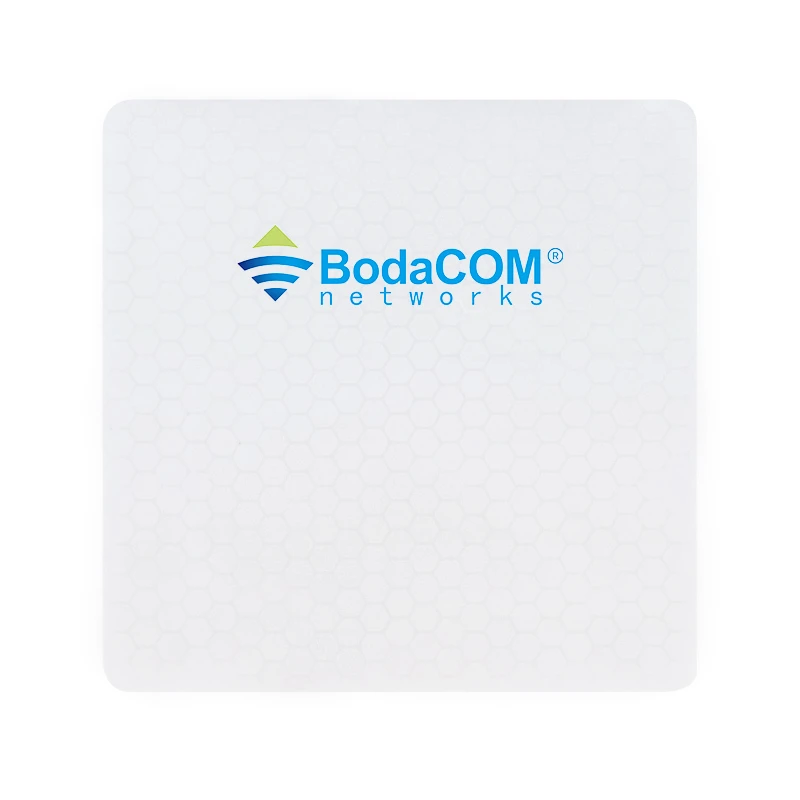

Mid - Range Outdoor Wireless Bridges
Mid - range outdoor wireless bridges offer a good balance between performance and cost. They usually have a transmission range of up to 5 - 10 miles and a bandwidth of up to 500 Mbps. These bridges are equipped with better antennas and more advanced features, such as improved signal processing and security protocols. The price of mid - range outdoor wireless bridges typically falls between $500 and $2000. They are ideal for medium - sized businesses, schools, and local government agencies that require reliable wireless connections over a moderate distance. If you're interested in mid - range solutions for wireless internet connectivity, check out Wireless Internet Bridge.
High - End Outdoor Wireless Bridges
High - end outdoor wireless bridges are designed for large - scale, enterprise - grade applications. They offer long - range transmission (up to 20 miles or more), high - speed bandwidth (1 Gbps or higher), and advanced features like multiple - input multiple - output (MIMO) technology, advanced security encryption, and remote management capabilities. These bridges are built with the highest quality components and are capable of withstanding the most challenging environmental conditions. The price of high - end outdoor wireless bridges can range from $2000 to $10,000 or more. They are commonly used in industries such as telecommunications, utilities, and large industrial complexes. For high - end industrial applications, refer to Industrial Wireless Ethernet Bridge.
Making the Right Choice
When choosing an outdoor wireless bridge, it's essential to consider your specific requirements and budget. If you only need a basic connection for a small area, an entry - level bridge may be sufficient. However, if you're dealing with a large - scale project or require high - speed, long - range connectivity, investing in a mid - range or high - end model is advisable.
It's also important to consider the total cost of ownership, which includes not only the purchase price of the bridge but also installation, maintenance, and support costs. Some high - end bridges may come with a higher upfront cost but can save you money in the long run by providing better performance and reliability.
Contact for Procurement
If you're interested in learning more about our outdoor wireless bridge products or would like to discuss your specific requirements, we're here to help. We have a team of experts who can provide you with detailed product information, technical support, and pricing quotes. Whether you're a small business looking for an affordable solution or a large enterprise in need of a high - end wireless bridge, we can offer you the right product at a competitive price. Reach out to us to start the procurement process and take the first step towards a more reliable and efficient wireless network.
References
- Wireless Networking Industry Association. (2023). Best Practices for Outdoor Wireless Bridge Deployment.
- Cisco Systems. (2022). Outdoor Wireless Connectivity Solutions White Paper.
- Juniper Networks. (2023). Evaluating Outdoor Wireless Bridge Performance.